



Buying Amethyst Jewelry Photos Colour Cut and Settings
Buy amethyst jewelry by comparing the actual piece, not just the most dramatic photograph of its colour. Lighting, background, camera processing, stone thickness, and the setting can change what you see. A useful listing supplies enough information to compare those conditions and explains whether the item shown is the item supplied.
This guide covers photographs, colour zoning, cut appearance, dimensions, and construction. It is a buyer's checklist, not a claim that the jewelry has been tested by a jeweler. It does not use professional-sounding cut angles or an invented inspection to certify a stone that has not been examined.
Request Views of the Actual Piece
Ask whether photographs show one specific item, a representative sample, or a range of possible pieces. For a unique carving or visibly varied strand, that distinction matters. A stock photograph cannot establish the colour pattern or condition of every item in a batch.
Request a front view, profile, and back view where accessible. A short slow video can show how reflections change as the piece moves. Include a ruler or clear dimensions for scale; magnification can make a small inclusion or fine detail look much larger than it appears during wear.
Ask about editing and lighting rather than assuming every image is deceptive or perfectly literal. A camera can render purple differently from your screen. Keep purchase expectations tied to an explained set of images, a written description, and an applicable return policy.
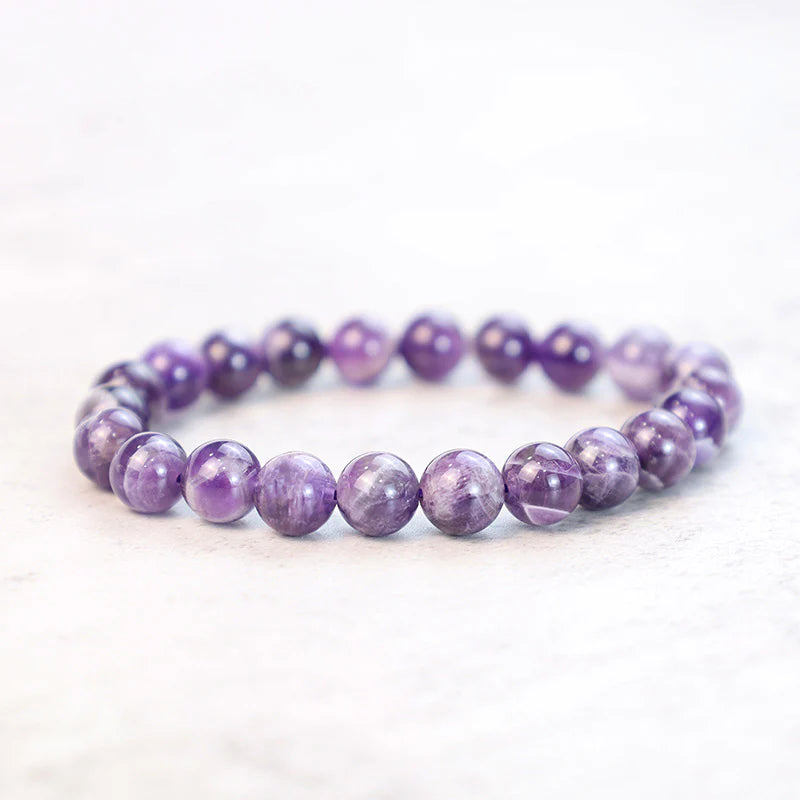
Compare Colour Under Ordinary Lighting
Amethyst is the purple variety of quartz. GIA describes a range from pale lilac to deep purple and notes that darker stones can lose visible brightness in dim conditions. A very dark image is not automatically evidence of higher quality or a richer wearing appearance.
Ask for the piece in ordinary daylight and an indoor setting, with the light source identified. A neutral background and similar camera distance improve comparison. A strongly coloured display surface or intense spotlight can make it harder to judge the stone independently.
Compare face-up appearance at a normal viewing distance as well as close-up detail. Decide whether you prefer a pale, medium, or deeper appearance in the settings where you will wear it. A seller's word such as royal or premium is less useful than a clear view of the actual colour.
Understand Colour Zoning Without Using It as a Test
Colour zoning means areas of different colour intensity within the material. GIA notes that amethyst can show angular zones of lighter and darker purple. Their visibility changes with viewing direction and how the stone is cut.
Ask whether a visible patch is a colour zone, a reflection, an inclusion, or a surface issue. Another photograph may clarify the question, but some distinctions require examination. Do not label every light area a flaw or every dark area a crack from one small image.
Zoning alone does not prove natural origin or rule out treatment. Similarly, an evenly coloured stone is not automatically synthetic. Identification and origin questions need appropriate evidence rather than an appearance rule presented as a universal consumer test.
Look at Cut Appearance Rather than Inventing Angles
Check the stone from the position in which it will normally be seen. Do reflections move across the face as the piece tilts? Are some areas consistently dark or pale? Those are useful observations to discuss with the seller without pretending that a video supplies exact cutting measurements.
Shape and facet arrangement are different descriptions. An oval outline can have several cutting styles. Request the shape, face dimensions, depth where relevant, and a side view instead of assuming one outline guarantees brightness.
Do not calculate an ideal angle from an ordinary product photograph. Camera perspective and the setting can hide relevant surfaces. If the seller makes a measured cut claim, ask who measured it and how. Otherwise, compare visible appearance and proportions without adding a fictional laboratory assessment.
Separate Clarity Features from Surface Damage
Ask about inclusions, visible chips, abrasions, or repaired areas on the actual item. A seller should distinguish a material feature from damage where possible. Clear magnified photographs can help, but the scale and conditions should be explained.
Pay attention to the stone's edge and any pointed corners. A setting may cover part of the edge, limiting what is visible. Do not infer that hidden areas are flawless or that the absence of a visible crack in a photograph is a complete condition guarantee.
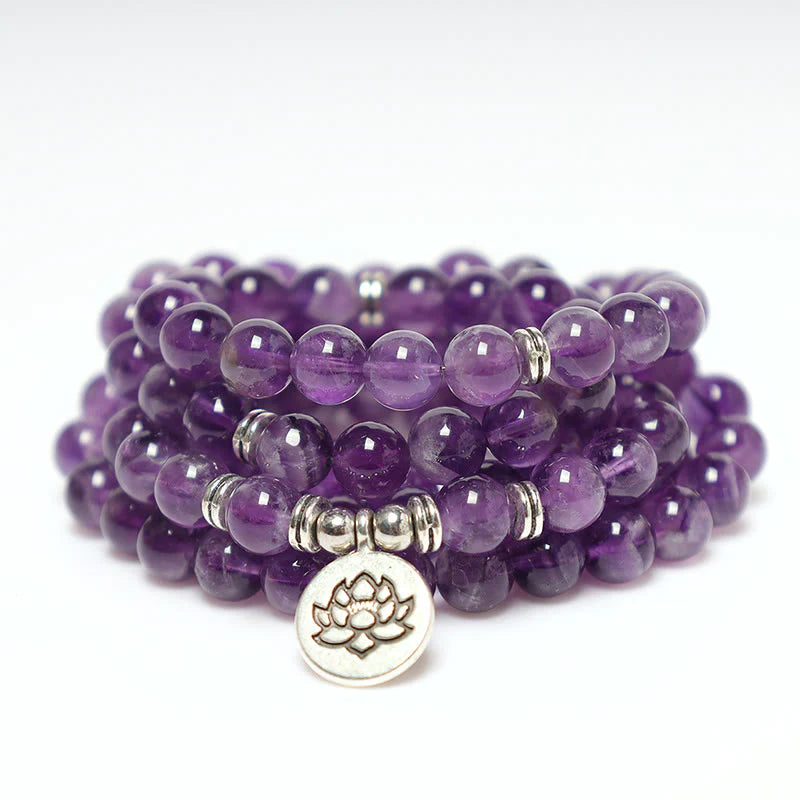
For a bead strand, compare several beads rather than only the centre bead. Check drilled openings, surface finish, and variation across the strand. Variation may be part of the offered appearance, but rough holes or damaged fittings are practical issues to resolve before wear.
Check Setting Support and Wearing Proportions
Request complete pendant or ring dimensions, not only stone weight. Carat is a mass unit and does not give the full face size or height above a band. A deeper stone can weigh more without appearing equally broad from above.
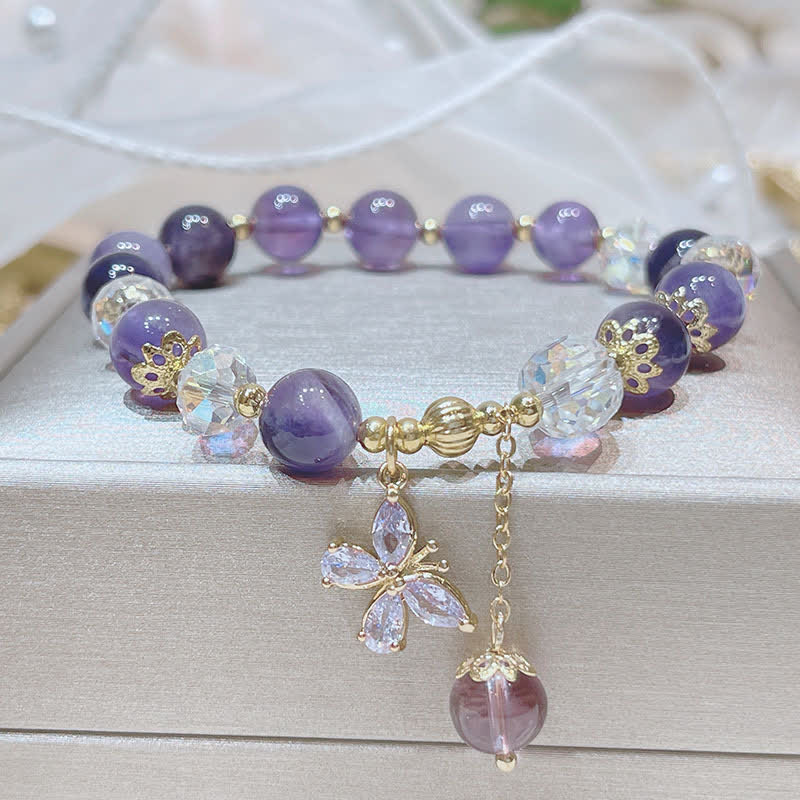
Look at prongs, a bezel, the bail, and connection points. The stone should not visibly move, and a damaged setting needs professional attention. Do not press on the gem or pry a prong to test security yourself.
Choose proportions for your routine. A raised ring can catch clothing, while a large pendant can need a more substantial chain. A supplied chain should be identified and assessed as part of the complete necklace rather than treated as a decorative afterthought.
Ask About Origin and Treatments Precisely
Ask whether the material is natural amethyst, laboratory-grown quartz, or an imitation, and request any relevant treatment disclosure. A natural designation does not automatically mean untreated. GIA's quality discussion notes that heat and other treatments can affect some material sold in this market.
If a report is supplied, check that it relates to the actual item and understand what it concludes. A report for another loose stone cannot establish the identity of a mounted one. Geographic origin and the place where a piece was cut or assembled are also different claims.
Do not infer origin from a colour nickname. A deep purple appearance alone does not establish a mining location. If provenance matters, ask what documentation supports it and retain uncertainty where the supply information is incomplete.
Plan Care Before Purchase
GIA's amethyst care guidance allows warm soapy water and cautions that heat can affect colour; it also notes that some amethyst can fade with prolonged intense light. Avoid using a sunny window or heat as a supposed charging treatment.
Check the whole assembly before selecting a method. Fillings, other stones, adhesives, coatings, cord, and the setting's condition can impose additional limits. Do not assume ultrasonic cleaning is appropriate for every piece because the main stone is quartz.
Keep the material disclosure, photographs, dimensions, and care instructions together. A good purchase record makes later questions easier to resolve. The most reliable selection comes from an understandable description of the actual jewelry, not an unsupported tested label or a promise that purple colour will deliver a therapeutic effect.
Factual References
Related Reading
- Peridot Jewelry Settings and Care
- Jewelry Metals and Material Descriptions
- Jade Pendants and Buying Checks
Frequently Asked Questions
Does the Darkest Stone Always Look Best
No. Very dark material can look less bright in dim conditions. Compare the appearance you prefer under ordinary lighting.
Does Zoning Prove Natural Origin
No. Appearance alone cannot settle natural origin or treatment status.
Can a Photograph Show Exact Cut Angles
An ordinary product photograph is not a reliable basis for those measurements.
Does Carat Weight Describe Visible Size
Not fully. Request face dimensions and the complete setting profile.
Should I Accept a Jeweler Tested Claim Without Details
Ask who tested the actual item, what was examined, and which method and findings support the claim.
Can I Leave Amethyst in Strong Sun to Charge It
Avoid prolonged intense light or heat as a treatment. Follow suitable material care rather than a charging claim.