



Pendant Necklaces Chain Length Weight and Attachment
A pendant necklace works as a complete assembly: the pendant, bail, chain, end fittings, and clasp all need to be compatible. A beautiful pendant with an unsuitable chain can be uncomfortable or difficult to maintain. Begin with where the necklace should sit, then examine each connection.
This guide focuses on structure and everyday use rather than repeating every symbol's meaning. It does not claim that a particular chain style is always strong enough for every pendant. Measurements and maker guidance should refer to the exact pieces you intend to combine.
Choose the Wearing Position First
Use a flexible tape or plain cord to estimate where you want the chain to rest. Check with the clothing you normally wear. The same stated length does not occupy the same position on every person's body.
Include the pendant's drop below the chain when judging a neckline. A long bail or tall carving can place the bottom much lower than the chain alone suggests. Ask for overall pendant height and the dimensions of the decorative body separately.
Try sitting and leaning forward gently. A necklace that looks well positioned while standing may fall against a collar or desk during ordinary movement. Choose a practical position rather than relying on a universal chart of what each length must look like.
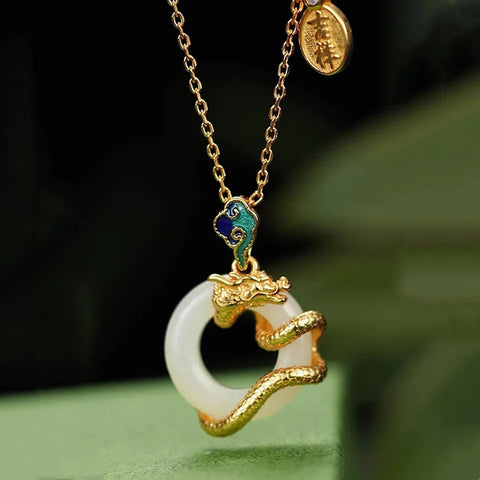
Read Chain Length and Extension Details
Ask whether the quoted length includes the clasp and extension. Check the actual usable adjustment range and where fastening is possible. An extension does not always provide every intermediate length you might imagine.

If using an existing necklace as a reference, measure it in the same way as the listing. A stretch cord, a rigid neckpiece, and a flexible chain do not sit identically. Use the comparison as a guide rather than an exact prediction.
For a gift, confirm the recipient's preference and exchange options. A familiar size label from another seller may not describe the same assembled length. Clear units and a stated measuring method prevent unnecessary confusion.
Measure Pendant Weight and Thickness
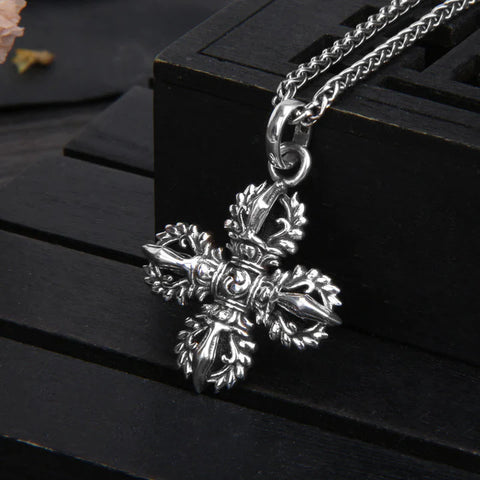
Request height, width, thickness, and actual weight. A close-up photograph can make a thin light pendant appear substantial or hide the depth of a bulky design. Side and back views help explain how it will rest.
Consider balance as well as total weight. A broad top, projecting setting, or uneven carving can affect how the pendant turns. Do not assume that a flat front photograph means the reverse is smooth or comfortable against clothing.
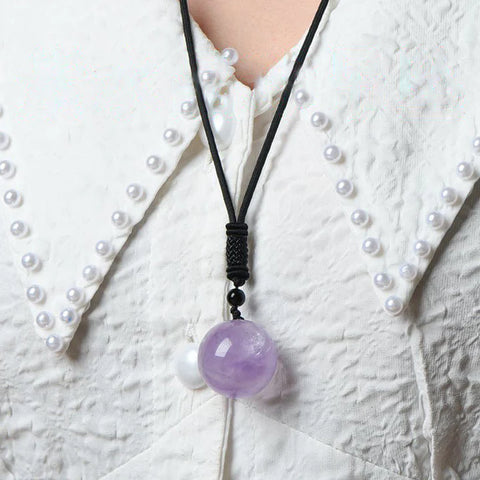
Ask whether the piece is hollow, solid, or assembled from several components where that information matters. These descriptions can affect handling and repair, but none automatically establishes quality. Compare the actual construction and intended use.
Check the Usable Bail Opening
The bail is the loop or attachment through which the chain passes in many pendant designs. Ask for its usable internal opening, not only its outside dimensions. A thick decorative wall can leave less passage than its photograph suggests.
Compare the opening with the chain's widest end fitting or clasp, whichever must pass through. The chain itself may be narrow while the end cap is much wider. Do not force metal through a tight opening or bend the bail casually to make room.
If the pendant is permanently attached, ask how chain replacement works. A hidden bail or fixed side connection may need a jeweler's assistance. Knowing that before purchase makes later repair less surprising.
Match the Chain to the Load
Ask the maker to recommend a chain appropriate for the actual pendant. A style name such as cable, box, or snake does not establish identical strength across every example. Dimensions, construction, wear, and fittings matter.
Check the links and joins near the pendant and clasp. A heavy object moving repeatedly against a small connection can make that area important to inspect. Do not perform a hard pull as a home strength test; it can damage the assembly.
Avoid choosing only by visual delicacy or thickness. A chain should work with the bail's movement and the intended weight. If essential compatibility information is unavailable, buy an assembly supplied for that purpose or ask a qualified jeweler.
Inspect the Clasp and End Fittings
Choose a clasp you can operate comfortably. Tiny parts may be discreet but difficult for some wearers to handle. Ask about alternatives when fastening ability is a significant part of the choice.
Look at the rings joining the clasp, extension, and chain. A visible gap or distorted fitting needs assessment. Do not assume the decorative pendant is the only valuable part or the only place that can fail.
Check whether spare parts or repair service are available. A replacement clasp can change usable length, so compare the finished result after repair. Keep a record of any modification if the necklace later changes hands.
Identify Every Material
Ask for the pendant's main material, metal components, coating, inlay, and relevant treatments. Gold colour does not establish solid gold; a white stone does not identify jade. The chain and pendant may have different compositions.
For gemstones, request identification and any report that applies to the actual object. A report for one central stone does not automatically describe every accent. Do not use scratches, heating, or impact to test authenticity at home.
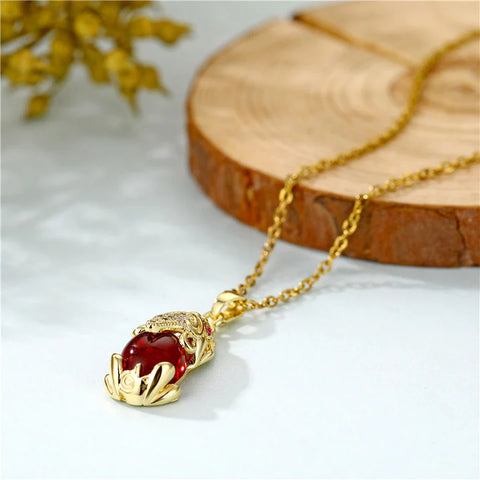
If skin contact is important, obtain specific composition information rather than relying on broad words such as spiritual or premium. Choose an item whose description answers your needs without assigning health benefits to its material.
Consider Layers and Daily Activity

If layering necklaces, compare pendant movement as well as chain lengths. Pieces can strike each other, tangle, or catch at the bails. There is no required spacing formula; assess the actual arrangement with ordinary clothing.
Follow workplace and activity requirements around jewelry. Remove the necklace where it may catch equipment or be exposed to unnecessary impact. A symbolic pendant does not need continuous wear to retain personal significance.
Think about storage when removal is frequent. A suitable separate compartment can reduce tangling and surface contact. Do not leave the pendant hanging unsupported from a narrow chain where it may be knocked or pulled.
Follow Whole Piece Care
Care instructions must account for stones, coatings, adhesives, cord where present, and metalwork. Guidance for one component does not automatically permit soaking or ultrasonic cleaning of the entire necklace. Ask for an assembled-piece method.
GIA's jade care guidance distinguishes treatment-related limits and gives warm soapy water as a general gemstone option. That does not override restrictions from a glued setting or other material. Keep the source's scope clear.
Inspect the bail, chain, and clasp periodically and after a drop or snag. Put aside a necklace with a loose setting, opening ring, or damaged link until assessed. Good maintenance responds to condition rather than a universal service-life promise.
Give Useful Information with the Gift
Include chain length, materials, and care instructions alongside your personal message. If the motif has a named cultural association, explain it accurately without promising protection or transformation. The structural choice and symbolic intention can remain separate.
Choose a complete necklace that fits the wearer and can be repaired realistically. The most important relationship is between its actual components, not a marketing label. Clear measurements and compatible attachments give the pendant a practical foundation for repeat wear.
Factual References
Related Reading
Frequently Asked Questions
Does Chain Length Include the Pendant
Usually listed separately, but confirm the seller’s measuring method and pendant drop.
What Must Pass Through the Bail
The widest chain end fitting or clasp required during assembly, not just the chain body.
Is Every Box Chain Strong Enough
No. Construction, dimensions, condition, and load matter.
Can Any Bail Be Bent Open
No. Ask about the actual construction and use a jeweler where needed.
Can I Clean the Whole Necklace Like Its Stone
Not automatically. Settings, adhesive, coatings, and fittings may impose limits.
What Should I Include with a Gift
Materials, chain length, care instructions, and a personal explanation of your choice.